Briefing@elliottdizz547
Leading Choices Cell
3 min read
Full Overview To Study Peptide Reconstitution 2025

Do Peptides Need To Be Cooled?
Strategy procedure timing around stability limits instead of compeling storage past recommended periods. Take into consideration a specialized mini-refrigerator for peptide storage in common living circumstances. Little fridges offer consistent temperature level in a controlled environment without competing for space with food items. Specific conditions require changed methods to refrigerated peptide storage space. Recognizing these grandfather clauses helps keep peptide honesty in challenging scenarios. Correlating performance with storage period Multi-Peptide Formula and conditions reveals practical security restrictions for your specific situation.Numerous Peptide Management
Utilizing desiccant packs in additional storage space containers provides useful extra defense against moisture. Also secured vials can take in moisture through incomplete seals over time. Desiccant takes in ambient moisture before it gets to peptide vials, preserving the completely dry atmosphere needed for optimal security.- Usage clean and sterile barriers at a pH of 5 to 6 when dissolving peptides to minimize this concern.
- Warm environments require even more robust cold chain administration than warm areas.
- Each time you open up a peptide vial, you subject the components to ambient air, light, and moisture.
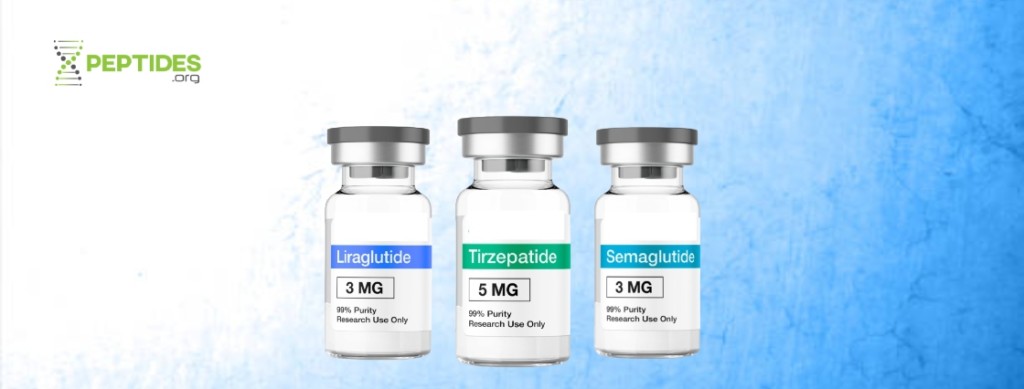
- Larger, much more stable peptides like semaglutide may last towards the longer end of the variety.
- Nevertheless, the precise duration of stability can differ substantially.
Lyophilized Peptides (powder Kind)
This is particularly essential for hygroscopic peptides including charged amino acid deposits. Yes, peptide stability differs based on amino acid make-up. Peptides including cysteine, methionine, or tryptophan are a lot more susceptible to oxidation. Those with asparagine-glycine or glutamine-glycine sequences are susceptible to deamidation. Larger, more complex peptides typically break down much faster than much shorter sequences. Examine provider documentation for certain service life assumptions for each peptide you store.Amber glass vials offer integrated light defense. The brownish-yellow color filters out a lot of UV and visible light wavelengths that drive photodegradation. If your vials are clear glass, cover them in light weight aluminum foil. This easy step can meaningfully extend service life, particularly if your refrigerator has an inner light that activates each time you unlock.
Fridge freezer storage space at minus twenty levels provides substantially far better protection than refrigeration at four degrees. For peptides you plan to use within weeks, refrigeration is adequate. For storage past a few months, freezer storage significantly prolongs shelf life.